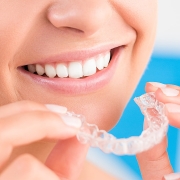
Teeth Shifting Adult Invisalign

Are Your Teeth Shifting as an Adult? Why It Happens and What You Can Do

Noticing your teeth shifting as an adult can be frustrating, especially if your smile used to look straighter. Maybe you see a new gap, feel crowding in your lower front teeth, notice your bite feels different, or realize that food is getting stuck in places it did not before. Adult tooth movement is common, but it should not be ignored.

Teeth can shift for many reasons, including natural aging, gum disease, tooth loss, teeth grinding, bite changes, and not wearing retainers after orthodontic treatment. The good news is that once the cause is identified, your dentist can recommend treatment options to help protect your smile and prevent the movement from getting worse.

For patients in Lighthouse Point, Deerfield Beach, Pompano Beach, Boca Raton, Coral Springs, North Lauderdale, and nearby South Florida communities, FL Dental Spa provides general dentistry, Invisalign, preventive dentistry, and restorative care to help patients manage shifting teeth and maintain a healthier smile.

Why Do Teeth Shift in Adulthood?

Your teeth are not fixed permanently in one position. They are held in place by bone, gums, ligaments, and the surrounding teeth. Over time, changes in these supporting structures can allow teeth to move. Even small changes can affect the appearance of your smile or the way your bite feels.

Some adult tooth movement happens gradually with age. Other changes happen because of dental problems such as gum disease, missing teeth, or grinding. In many cases, patients do not notice shifting until it becomes visible in the front teeth or starts affecting chewing comfort.

If your teeth are moving, the most important step is finding out why. Straightening teeth without addressing the cause may not provide a stable long-term result.

Gum Disease Can Cause Teeth to Move

One of the most important causes of adult tooth shifting is gum disease. Healthy gums and bone help support the teeth. When gum disease progresses, it can damage the tissues and bone that hold teeth in place. As support weakens, teeth may begin to loosen, shift, spread apart, or change position.

Signs of gum disease may include bleeding gums, swollen gums, gum recession, persistent bad breath, tenderness, loose teeth, or deeper spaces between the teeth and gums. Some patients have gum disease without obvious pain, which is why regular dental exams are important.

If gum disease is contributing to tooth movement, treatment may include gum disease treatment or deep cleaning, also known as scaling and root planing. Stabilizing gum health is often necessary before considering orthodontic or cosmetic treatment.

Missing Teeth Can Change Your Bite

When a tooth is missing, the surrounding teeth may begin to drift into the empty space. Teeth above or below the gap may also shift because they no longer meet an opposing tooth properly. Over time, this can affect your bite, chewing function, and smile appearance.

Missing teeth can also place extra pressure on the remaining teeth. This may lead to uneven wear, cracking, sensitivity, or jaw discomfort. Replacing missing teeth can help protect bite balance and reduce unwanted movement.

Depending on your needs, FL Dental Spa may recommend dental implants or dental bridges to replace missing teeth and restore a more stable smile. The right option depends on your oral health, bone support, budget, and long-term goals.

Teeth Grinding and Clenching

Teeth grinding and clenching can put heavy pressure on the teeth. Over time, this pressure can contribute to tooth wear, small cracks, shifting, bite changes, jaw soreness, and sensitivity. Many people grind their teeth at night without realizing it.

Signs of grinding may include worn or flattened teeth, chipped enamel, morning jaw discomfort, headaches, tooth sensitivity, or a bite that feels different. If grinding is causing your teeth to shift or wear down, your dentist may recommend a custom nightguard to protect your teeth.

If grinding has already damaged your teeth, treatment may involve restorative dentistry, tooth-coloured fillings, or dental crowns to repair weakened or worn teeth.

Not Wearing Retainers After Braces or Invisalign

If you had braces or Invisalign earlier in life, your teeth can shift if retainers are not worn as directed. This is called orthodontic relapse. It can happen months or years after treatment, especially in the lower front teeth.

Retainers help hold teeth in their corrected positions after orthodontic treatment. Without them, the teeth may naturally move back toward their previous positions. Even patients who wore retainers for a while may notice shifting later if they stop wearing them.

If your teeth have shifted after previous orthodontic treatment, Invisalign may help move them back into better alignment. Some cases are simple, while others require a more detailed treatment plan. A consultation can help determine whether clear aligners are right for your smile.

Natural Aging and Bite Changes

As we age, the teeth, gums, bone, and bite can change. Teeth may wear down from years of chewing. Gum recession can make spaces more visible. Small shifts may gradually affect the alignment of the front teeth. Older fillings, crowns, or missing teeth can also change how the bite comes together.

These changes may be subtle at first. You may notice that your teeth look more crowded, your smile feels less even, or your bite feels slightly off. Regular dental visits can help monitor these changes and catch problems early.

In some cases, treatment may include Invisalign, a nightguard, replacement of old dental work, or preventive dentistry to protect your oral health over time.

Can Invisalign Help Adult Teeth Shifting?

Invisalign can be a good option for many adults with shifting teeth. Clear aligners are designed to gradually move teeth into better positions without traditional metal braces. They are removable, discreet, and often appealing to adults who want to improve their smile without changing their daily routine too much.

Invisalign may help with crowding, spacing, relapse after braces, and certain bite concerns. However, Invisalign is not always the first step. If gum disease, missing teeth, decay, or unstable dental work is present, those concerns may need to be addressed before aligner treatment begins.

At FL Dental Spa, Invisalign planning can be combined with cosmetic and restorative care. Some patients choose whitening, veneers, bonding, or crowns after their teeth are properly aligned to complete their smile goals.

Cosmetic Options After Teeth Are Aligned

Shifting teeth can affect smile appearance, but alignment is only one part of the picture. Once the teeth are healthier and better positioned, some patients may want to improve colour, shape, symmetry, or worn edges.

Options such as teeth whitening, veneers, dental bonding, or cosmetic dentistry may help create a more balanced final result. For patients with several concerns, a smile makeover may combine treatments into one personalized plan.

The best results often come from sequencing treatment properly. For example, alignment may come before whitening, bonding, veneers, or crowns so the final smile looks more natural and balanced.

When Should You See a Dentist?

You should schedule a dental visit if your teeth are shifting, crowding, spacing, loosening, or changing the way your bite feels. You should also see a dentist if you notice bleeding gums, gum recession, tooth sensitivity, jaw discomfort, chipped teeth, or missing teeth.

A dental exam can help identify the cause of the movement. Your dentist may check your gums, bite, bone support, tooth wear, old restorations, and overall oral health. The goal is to create a treatment plan that addresses the reason your teeth are moving, not just the appearance of the movement.

Protect Your Smile at FL Dental Spa

If your teeth are shifting as an adult, FL Dental Spa can help you understand why and what to do next. Our team provides Invisalign, gum disease treatment, deep cleaning, dental implants, dental bridges, preventive care, cosmetic dentistry, and restorative dentistry for patients in Lighthouse Point and nearby communities.

Whether your teeth have shifted after braces, changed because of gum disease, moved after tooth loss, or started crowding over time, the first step is a clear evaluation. To schedule an appointment, call 954-941-7778 or contact FL Dental Spa today.

FAQ

Is it normal for teeth to shift as an adult?

Yes, some tooth movement can happen with age, but noticeable shifting should be checked by a dentist. Adult teeth may shift because of gum disease, missing teeth, grinding, bite changes, or not wearing retainers after orthodontic treatment.

Can gum disease make teeth move?

Yes. Gum disease can damage the bone and tissues that support the teeth. As support weakens, teeth may loosen, spread apart, or shift position. Treating gum disease is important before considering cosmetic or orthodontic treatment.

Can Invisalign fix teeth that have shifted?

Invisalign can help many adults with crowding, spacing, or shifting after previous orthodontic treatment. A consultation is needed to determine whether clear aligners are appropriate and whether gum or restorative concerns should be treated first.

What happens if I ignore shifting teeth?

Ignoring shifting teeth can allow bite problems, crowding, gum issues, tooth wear, or spacing to get worse. If the cause is gum disease or missing teeth, delaying care may lead to more serious oral health problems over time.

How can I stop my teeth from shifting?

The right solution depends on the cause. Treatment may include retainers, Invisalign, gum disease treatment, replacement of missing teeth, a nightguard for grinding, or restorative dental care. A dental exam can help identify the best next step.

Invisalign Is The 2026 Health First Choice For Lighthouse Point Adults

Clinical orthodontic care in Lighthouse Point has evolved from a purely aesthetic pursuit into a foundational “Health First” protocol designed to prevent periodontal disease and premature tooth wear. As an active member of the American Academy of Clear Aligners, Dr. Michael Gertsen utilizes Invisalign technology to resolve the bio-mechanical stressors caused by dental crowding and malocclusion. For adults in the area, aligning the teeth is no longer just about a confident smile; it is a clinical necessity to ensure proper maintenance of gingival tissues, thereby reducing the systemic risks associated with chronic oral inflammation.

The diagnostic workflow at our Venetian Isles clinical suite utilizes high-definition digital scanning to map the precise relationship between your teeth and the supporting alveolar bone. This radiation-free process replaces traditional impressions and allows for a 3D visualization of your projected tooth movement before treatment begins. By creating a harmonious bite, we eliminate the “plaque traps” that often lead to localized gum recession and bone loss. Residents from Boca Raton and Deerfield Beach seek this specialized care because it combines Dr. Michael Gertsen’s Master of Science in Biomedical Science with the relaxing, low-anxiety environment of a true dental spa. Our practice remains a primary destination for complex clear aligner therapy by prioritizing the long-term biological health of every patient we serve.

I originally wanted Invisalign to fix a crooked front tooth, but Dr. Gertsen showed me how that same crowding was causing my gums to recede. My teeth are straight now, but more importantly, my oral health has never been better.

The Bio-Mechanical Link Between Alignment and Gum Health

In the 2026 landscape of preventive dentistry, we recognize that misaligned teeth are significantly harder to clean, even with perfect hygiene habits. When teeth overlap, they create tight spaces where pathogenic bacteria thrive, often leading to “silent” periodontal infection. Orthodontic alignment via the Invisalign system allows for the even distribution of biting forces across the entire dental arch, preventing individual teeth from becoming overloaded and loose. For patients in Pompano Beach and Miami Beach, this structural stability is the key to avoiding more invasive restorative procedures later in life. By achieving an ideal alignment, we set the stage for a lifetime of healthy, stable, and easily maintainable smiles.

Common Questions About “Health-First” Orthodontics

Can Invisalign really help prevent gum disease? Yes, by moving teeth into their ideal positions, Invisalign eliminates the areas where food and bacteria get trapped, making your daily brushing and flossing significantly more effective.

Most patients in the Lighthouse Point area find that their professional cleanings are much easier and faster once their teeth are properly aligned. When your gums fit snugly around straight teeth, they act as a much stronger barrier against systemic inflammation. We view alignment as the first step in a total body wellness plan.

Is clear aligner therapy effective for older adults with previous dental work? Modern Invisalign protocols are highly effective for adults of all ages, including those who have existing crowns or CEREC® restorations.

Dr. Michael Gertsen’s advanced training allows him to plan tooth movements that respect your existing dental work while improving your overall bite function. We often see patients from Deerfield Beach seeking to protect their dental investments by correcting a shifting bite. It is never too late to prioritize the health and stability of your smile.

How does the “Spa” experience at Venetian Isles change the treatment? Our “Spa” philosophy is designed to lower your cortisol levels and reduce the anxiety often associated with dental visits, thereby improving your body’s natural healing response.

We provide a calming environment at our Venetian Isles clinical suite where you can discuss your health goals without feeling rushed. By pairing this relaxing atmosphere with “one-visit” technologies like Soft-Tissue Laser Sculpting, we make your journey to a healthy smile as efficient as it is comfortable. We believe that high-tier clinical science and patient comfort should always go hand in hand.

Schedule Your Invisalign Health Scan in Lighthouse Point

Are you ready to discover how aligning your smile can improve your long-term health? Visit our Invisalign Specialty Page or contact our Venetian Isles clinical suite to schedule your 3D health evaluation.

Serving the Broward County Region: Lighthouse Point | Boca Raton | Deerfield Beach | Pompano Beach | Miami Beach | 33064

What Happens After Invisalign That Most Dentists Don’t Explain Clearly

Finishing Invisalign feels like crossing a finish line. As a dentist in Lighthouse Point, FL, I see many patients surprised to learn their treatment doesn’t truly end there. What happens next determines whether your new smile lasts for years or slowly shifts back. In my clinical experience treating Invisalign patients, the first year after aligner therapy is the most important period for long-term stability.

Why Teeth Try to Move Back after Invisalign (Tooth Memory)

Teeth have “memory” because they are held in place by periodontal ligaments. These fibers stretch during orthodontic movement and need time to stabilize in their new position. Unfortunately, relapse risk is highest in the first year after treatment while your bone continues to remodel.

The American Association of Orthodontists explains that retainers are necessary because teeth can shift back as supporting bone and ligaments continue to adapt after orthodontic treatment.

Retention Protocols Most Dentists Don’t Fully Explain

Retention plans are individualized. They depend on your bite, age, and how much movement was needed.

Common options include:

  • Clear removable retainers.
  • Fixed (bonded) retainers behind the teeth.

Most patients wear retainers full-time at first, then transition to nights only. Skipping wear for even a short period allows ligaments to pull teeth back toward their old positions.

How Long Do You Really Need to Wear a Retainer?

Your teeth can shift throughout your life due to aging and bite forces. That’s why long-term nighttime retainer wear is commonly recommended. However, “lifelong” does not mean all day, forever. It means protecting your results with a simple routine.

What Happens If You Don’t Follow Retainer Instructions?

Early changes include tight retainers or small gaps. Left unaddressed, aligners might stop fitting. Minor relapse sometimes requires refinements with an Invisalign dentist in Lighthouse Point, FL, which is far easier than full retreatment. If your retainer feels tight or stops fitting, contacting your dentist early often prevents more extensive correction later.

How Dentists Monitor Long-Term Invisalign Stability

Follow-up visits allow us to:

  • Check your bite balance.
  • Adjust your retainers.
  • Catch any shifting early.

Are You Looking for a Reputable Dentist in Lighthouse Point, FL?

As a licensed dentist providing Invisalign treatment in Lighthouse Point, FL, I help patients protect their results long after their aligner treatment is complete. Please Contact FL Dental Spa today to schedule a post-treatment check. Our team will help you protect your smile with clear, realistic retention plans that will easily fit into your daily life.

Disclaimer: This article is for educational purposes only and is not intended to replace personalized dental advice. Always follow your dentist’s guidance.

What to Know About Wearing a Retainer After Invisalign

After you’re done straightening your teeth and jaw, a retainer helps you keep them straight afterward. Of course, that doesn’t tell you very much about the practical implications of having to wear the device. If you’re interested in clear aligner treatment, we’ll look at what you need to know both during and after it’s completed.

The Three Major Time Blocks

You can break down Invisalign treatment into several key time blocks:

  • 22-hours a day: Ideally, you should wear your clear aligners for as many hours in the day as possible, removing them only to eat, brush, and floss. The more consistent you are, the more you can cut back on your treatment time.
  • 6 months – 2 years: You may only need to wear your clear aligners for a few months, though the more severe cases may have to wear Invisalign in Lighthouse Point, FL for up to two years.
  • 3 – 6 months: After you’re done with Invisalign, you’ll wear a retainer for 3 – 6 months for around 22 hours per day.

Once you’re done with the initial retainer period, you’ll wear your retainer at night, usually for the next six months.

Will I Need a Retainer for the Rest of My Life?

An orthodontist may recommend that you wear your retainer indefinitely. Usually, that means wearing it for a few nights a week, but it may mean wearing it with more consistency.

How Will I Know?

The best way to get real answers rather than general timelines is to talk to a dentist in Lighthouse Point, FL who specializes in the treatment. At FL Dental Spa, our cosmetic dentists know how to brighten your smile, but we also know how to maintain your alignment for the sake of your oral health.

While it may seem daunting to have to keep wearing your retainer, consider that you’re likely not even notice it after a week or two. If you get a device that’s custom-fit to your mouth, you might be shocked at just how much it blends into the background. If you have questions about your options, contact our team today to start taking the next steps!

Keeping Your Teeth Clean with Invisalign

Choosing Invisalign for your teeth alignment option brings several benefits. One of those is the fact that it’s easier to clean your teeth with Invisalign as compared to traditional braces. That’s one of the reasons FL Dental Spa, your cosmetic dentist in Lighthouse Point, FL, is always happy to recommend this treatment option for crooked teeth.

Still, while Invisalign makes it easier to keep your teeth clean, you still need to put in the work. Failing to clean your teeth can leave food and bacteria trapped inside your aligners, which can increase your risk of tooth decay. Here’s what you need to do to keep your teeth as clean as possible while wearing Invisalign.

Brush Frequently

Brush frequently, with your aligners out, of course. Morning and night brushing is non-negotiable, but you may want to brush after meals as well. When you brush, use a wet toothbrush without any toothpaste to brush off your aligners.

Floss Regularly

Floss every day. Any food that’s trapped between your teeth will stay stuck when you’re wearing your aligners. Flossing will keep it from turning into a problem with decay.

Get Regular Checkups

Make sure you keep up with your twice-a-year professional cleanings. Your dentist will be able to get to the grime that you can’t get to with your at-home brushing and flossing routines. These regular checkups and cleanings will ensure your teeth stay as healthy as possible while you work to get them aligned.

Clean Your Trays Daily

Clean your trays once a day using the wet toothbrush method already mentioned. You can also soak them in a solution containing warm water and hydrogen peroxide in equal parts. Soak for no more than 15 minutes to remove bacteria, plaque, and food residue.

Clean After Meals

If you can’t brush your teeth after meals, drink clear water to rinse out your mouth as best as you can before you put your aligners back in. You can also talk to FL Dental Spa, your cosmetic dentist in Lighthouse Point, FL, about the best mouthwash to use with Invisalign. The more food you can remove from your mouth, the better for your teeth.

That’s really all there is to it! Keeping your teeth clean with Invisalign is really no different than it is without aligners. You just need to be certain you keep up with it to avoid problems.

Can Invisalign Get Stained?

Invisalign is subtle and discrete. Invisalign arches are made from clear plastic that fit easily over the teeth, so when you smile, Invisalign has minimal effect on your appearance. This is why it’s important to prevent Invisalign from becoming stained. Your dentist in Lighthouse Point, FL, can help. Knowing what causes Invisalign stains and how to avoid them can help you maintain your clear aligners.

Can Invisalign Get Stained?

Invisalign is made from a durable, clear plastic that is designed to be easy to maintain. However, Invisalign can get stained under the right conditions. Eating and drinking staining foods while wearing Invisalign can cause your aligners to become stained over time, just as your teeth would become stained.

What Causes Invisalign Stains?

Foods like gravy, sauces, berries, and other dark-colored foods can stain your Invisalign over time. Dark beverages, including coffee, tea, and wine, can also stain your aligners.

How Can You Prevent Stains On Invisalign?

There are several things you can do to prevent stains on Invisalign. Here are some examples:

  • Don’t wear Invisalign while eating or drinking. Remove Invisalign aligners for each meal. If you’re drinking tea or coffee, remove your aligners and put them in a case. The only thing you can drink while wearing Invisalign is water.
  • Brush your teeth before putting Invisalign back in your mouth. Keep a toothbrush and toothpaste on hand to make this possible.
  • Rinse Invisalign before putting them back in your mouth. Rinsing your Invisalign prevents anything that’s on Invisalign from getting on your teeth. This also helps keep Invisalign clean.
  • Stay hydrated. Drink water to prevent food particles from sticking to your teeth while wearing Invisalign.

Have More Questions About Invisalign in Lighthouse Point, FL? We Can Help

If you have Invisalign clear aligners and would like to know more about their care, contact the professionals at FL Dental Spa. We can help our patients take care of their teeth and their aligners throughout their treatment.

Do you want Invisalign aligners in Lighthouse Point, FL? Call the professionals at FL Dental Spa to make an appointment. We’re happy to help!

How Many Hours a Day Should I Wear Invisalign?

Invisalign may be a popular way to straighten your teeth, but that doesn’t mean that everyone understands the commitment they’re signing up for. Here, we’ll look at how long you’ll need to wear Invisalign every day and why it matters to your oral health journey.

How Long Do I Wear Invisalign?

Ideally, you’ll wear Invisalign in Lighthouse Point, FL for as close to 24 hours as possible. This means that you’ll take out the clear aligners to eat, brush your teeth, and floss, and that’s all. The standard answer is around 22 hours, depending on how long your routines take.

Why Does It Matter?

In the grand scheme of things, an extra few minutes here and there may not make that much of a difference to your results. However, the much bigger point is establishing the habit of wearing your aligners as often as possible.

Wearing your Invisalign as often as possible doesn’t just ensure that your clear aligners work faster, meaning you can move on faster, but it’s also very good practice if you end up needing to wear a retainer afterward. Depending on how your teeth shift after Invisalign, you may need a retainer for months of even years after the core treatment is complete.

Why Try Invisalign?

Most people will invest in Invisalign because it’s a less invasive way to straighten your teeth. Plus, Invisalign is now more versatile than ever before, meaning it’s powerful to handle moderately severe misalignment issues (whereas before it was better for more mild crowding or gaps).

With Invisalign, it’s not only impossible to see that you’re wearing the straighteners, it’s also possible to eat whatever you want, including gum and corn on the cob. All you need to do is remove the aligners, store them for as long as it takes to eat, and then pop them right back in again. Plus, most people get used to Invisalign fairly quickly, making it possible for the trays to fade into the background as you go about your everyday activities.

If you’re looking for a dentist in Lighthouse Point, FL, contact FL Dental Spa to learn more about how you can get started with Invisalign today!

Can I Eat While Wearing Invisalign?

Invisalign clear plastic aligners are one of the go-to products for dental patients with crooked or misaligned teeth. If you have crooked teeth or a misaligned jaw, you may be able to benefit from Invisalign. Your dentist in Lighthouse Point, FL, can evaluate your needs to determine whether you can benefit from Invisalign.

If you have Invisalign, you may have questions about maintenance and aligner care. Can you eat with Invisalign? Do Invisalign aligners need to be cleaned? Knowing the answers to these questions can help you take care of your teeth and aligners. Here’s what you need to know.

Can I Eat While Wearing Invisalign?

No, you should not eat while wearing Invisalign. Fortunately, Invisalign is easy to remove. When you’re going to eat a meal, take out your Invisalign clear aligners and put them in a protective plastic case.

This step is important because leaving Invisalign on a napkin or somewhere inconspicuous can lead to loss or breakage of your aligners. Remember: they’re clear! It’s much harder to find Invisalign after they’re removed and left on a surface where you don’t expect to see them.

After removing Invisalign, rinse them off before returning them to your mouth. Brush your teeth, too, as this will remove any food particles that might get stuck in your aligners.

Can I Drink While Wearing Invisalign?

You may drink water while wearing Invisalign, but take out your clear aligners for drinking anything that isn’t water. Rinse your mouth or brush your teeth before putting aligners back in.

How Do I Maintain Invisalign?

Clean Invisalign with mild soap and warm water at the end of every day. Invisalign sells special cleaning crystals you can also use to clean your clear aligners. Wear your Invisalign throughout the day, except when eating or drinking. If you remove your Invisalign clear aligners, rinse them off before putting them back in.

Do you have more questions about Invisalign and how they’re maintained? Contact the professionals at FL Dental Spa. We help our patients decide if Invisalign in Lighthouse Point, FL is right for them. Invisalign is one of the most popular aligner options for patients who need to straighten crooked or crowded teeth. If you think that Invisalign is right for you, call today to make an appointment.

4 Reasons to Consider Invisalign For Your Teenager

If your teen has crooked or crowded teeth, the cosmetic dentist in Lighthouse Point, FL, can help. We provide solutions to patients who want to improve the appearance of their teeth.

In this article, we’ll discuss Invisalign and talk about how Invisalign can benefit your teenager. If you’re a parent with a child who wants to improve the appearance and functionality of their teeth, Invisalign might be the perfect solution. Here’s what to know.

What Is Invisalign?

Invisalign clear aligners are plastic arches that fit over the teeth. Like braces, Invisalign can help align the teeth and stop teeth from crowding. Invisalign aligners gently push the teeth into place.

Reasons to Consider Invisalign For Your Teenager

There are many reasons to consider Invisalign for your teenager. Teens are often some of the best candidates for Invisalign because their permanent teeth have come in, but the position of their permanent teeth is still not fully set. This makes moving their teeth into the right position easier.

In addition, there are many benefits of Invisalign that you should consider, as well.

  1. Invisalign is discrete. Invisalign clear aligners are far more discrete than braces, which are often used to do the same work as Invisalign.
  2. Invisalign is easy to clean. To clean Invisalign, your teenager will remove the clear aligners, rinse them under warm water, and then use mild soap to clean the aligners. Your teenager can use a manual toothbrush to clean their aligners.
  3. Invisalign works. Invisalign clear aligners are effective at gently moving teeth into a more desirable position.
  4. Caring for your teeth is easier with Invisalign than with braces. Braces get in the way during toothbrushing, and that can make it difficult for your teenager to care for their teeth. Invisalign, on the other hand, can be removed for brushing and meals, and that makes caring for your teeth much easier.

How Can I Tell If My Teenager Needs Invisalign?

If you think your teenager needs Invisalign, talk to the dental professionals at FL Dental Spa. We can help you decide if your teenager is a good candidate for clear aligners. Do you or your teen need Invisalign in Lighthouse Point, FL? Call today to make an appointment.

Invisalign

Invisalign SmartForce Attachments Explained

If you need to have your teeth straightened, you are probably considering Invisalign clear dental aligners in Lighthouse Point, FL, right? But what you might not know is that Invisalign aligners have evolved over time and are now better, and can be used for more complex dental issues. How is that, you might ask? Let’s take a look.

What Are Invisalign SmartForce Attachments?

Invisalign dental aligners now come with what’s called SmartForce attachments. Those attachments are what make these aligners more powerful and effective. Invisalign SmartForce attachments are small custom tooth-colored “buttons” that are placed on your teeth.

What Do Invisalign SmartForce Attachments Do?

Invisalign attachments, sometimes called buttons, are made of a medical-grade composite resin. Similar to the material used in dental fillings. They are used to help your aligners grip and stay in place more easily. In other words, they are like anchors for your aligners.

Invisalign attachments are also used to assist your aligners in moving your teeth into their proper position using a gentle, guided force. The attachments are what make Invisalign aligners more effective for complex movements like rotations, impactions, and extrusions. The attachments also help you complete your treatment faster. And who doesn’t want that!

Another thing about attachments is that they can help distribute the movement of your teeth more evenly. Therefore, the attachments help make your aligners more comfortable. They also reduce the risk of your teeth shifting. That means attachments are more effective at making your treatment more permanent and longer lasting,

How Do Invisalign SmartForce Attachments Work?

Your dentist in Lighthouse Point, FL, will strategically attach small pieces of composite (attachments) to specific teeth throughout your mouth. They are applied using a special dental glue. But don’t worry; they won’t harm your teeth and are easily removed.

After placing the attachments, your dentist will show you how to properly insert and remove your Invisalign dental aligners without damaging them.

Are You Looking for a Reputable Dentist in Lighthouse Point, FL?

If you want to talk with a dentist about straightening your teeth, please Contact FL Dental Spa today. We are a state-of-the-art general and cosmetic dental practice with a full suite of services. Our team works hard to build trust and long-lasting relationships with our patients. We truly care about your oral health and wellness.